Artists featured in the monthly Member Spotlight are selected from our online Members' Gallery. If you wish to be considered for the Spotlight in the future, send us a note!
Amanda Breitbach - January 2026
Amanda Breitbach is a photographer whose work examines the complex connections between people and the landscapes they inhabit. She lives and works in Nacogdoches, Texas, where she serves as an Associate Professor of Art at Stephen F. Austin State University.
Raised on a family farm and ranch in eastern Montana, Breitbach developed an early, firsthand relationship with land and labor. She studied photography and French at Montana State University, then spent two years in Guinea, West Africa, as an agroforestry volunteer with the United States Peace Corps. Her professional background includes experience as a newspaper photographer, writer, and editor, alongside her work in arts education. She received her Master of Fine Arts degree from the University of Nebraska–Lincoln in 2016.
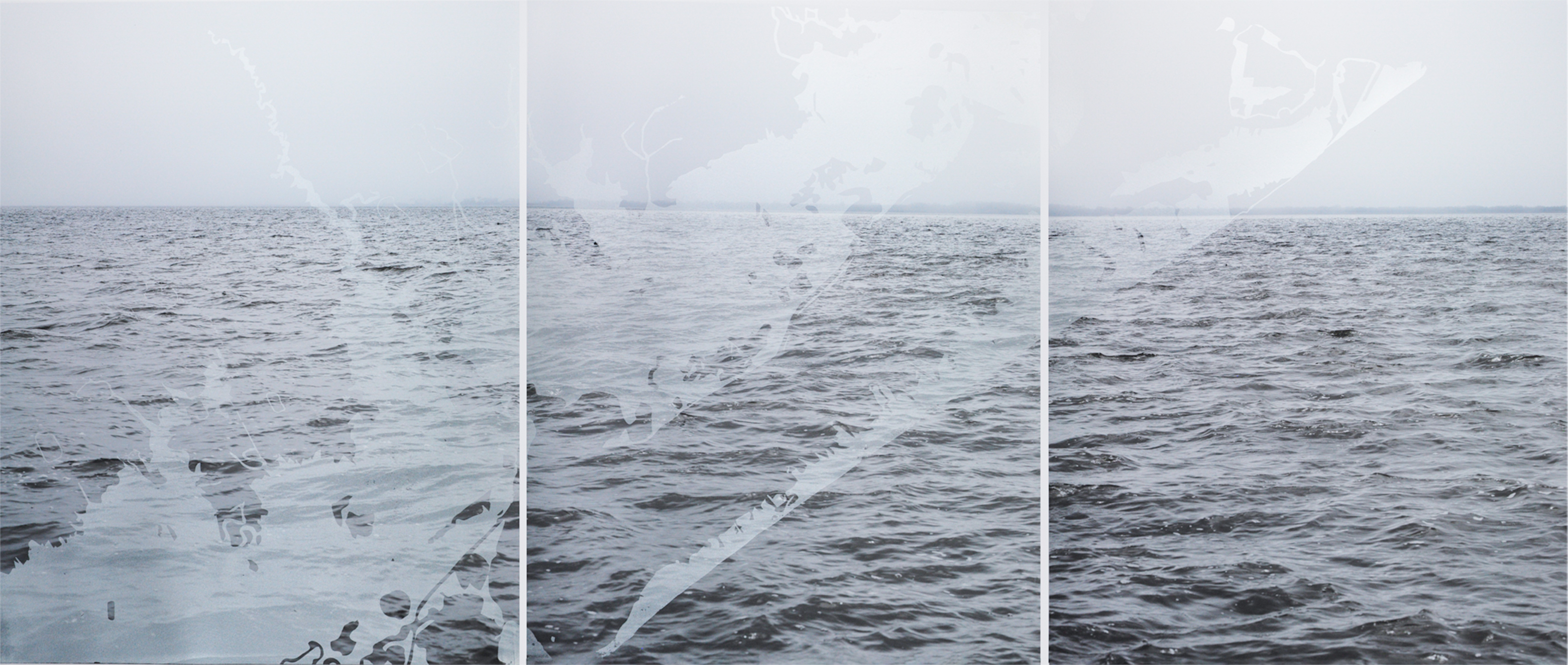
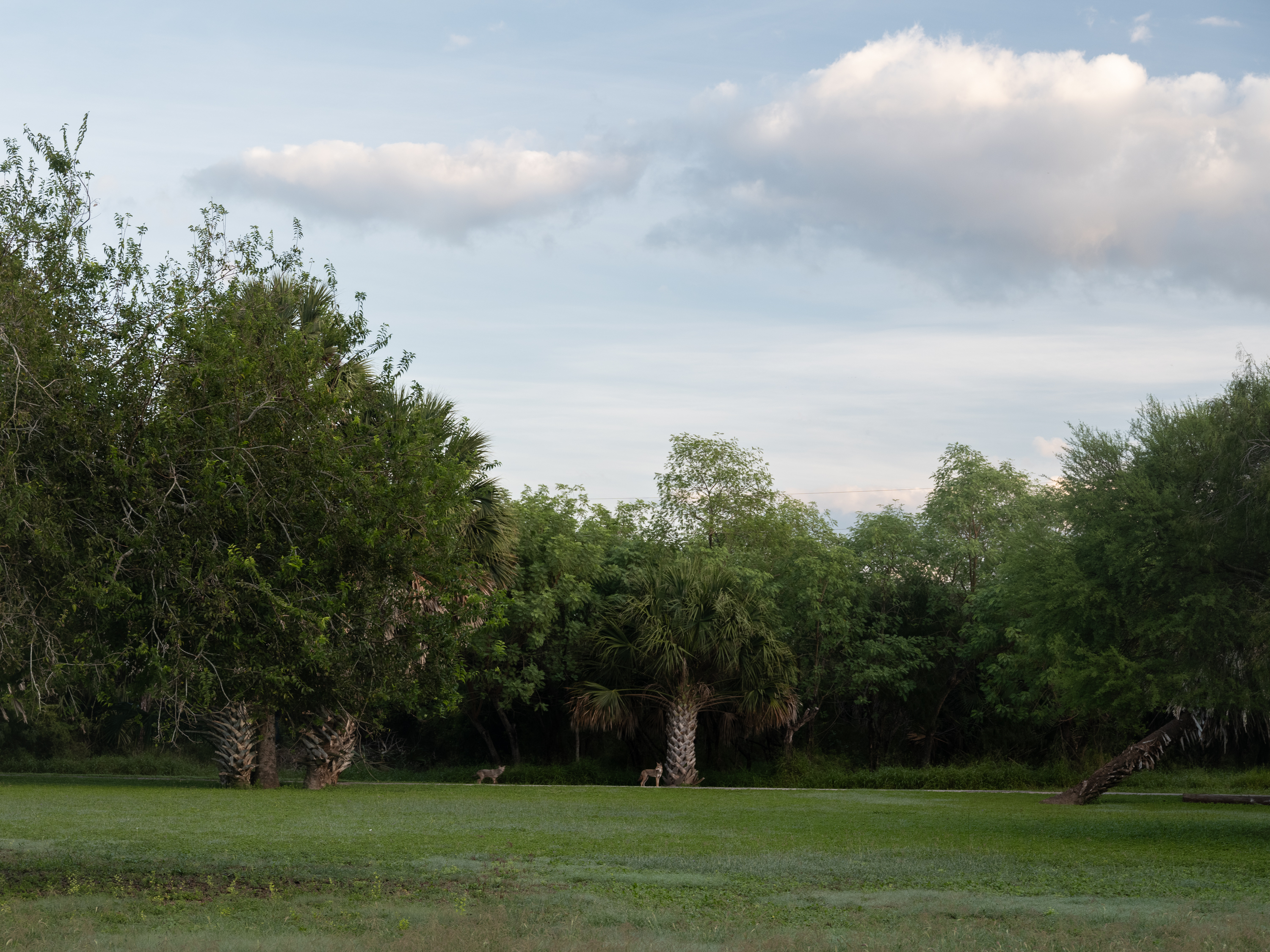
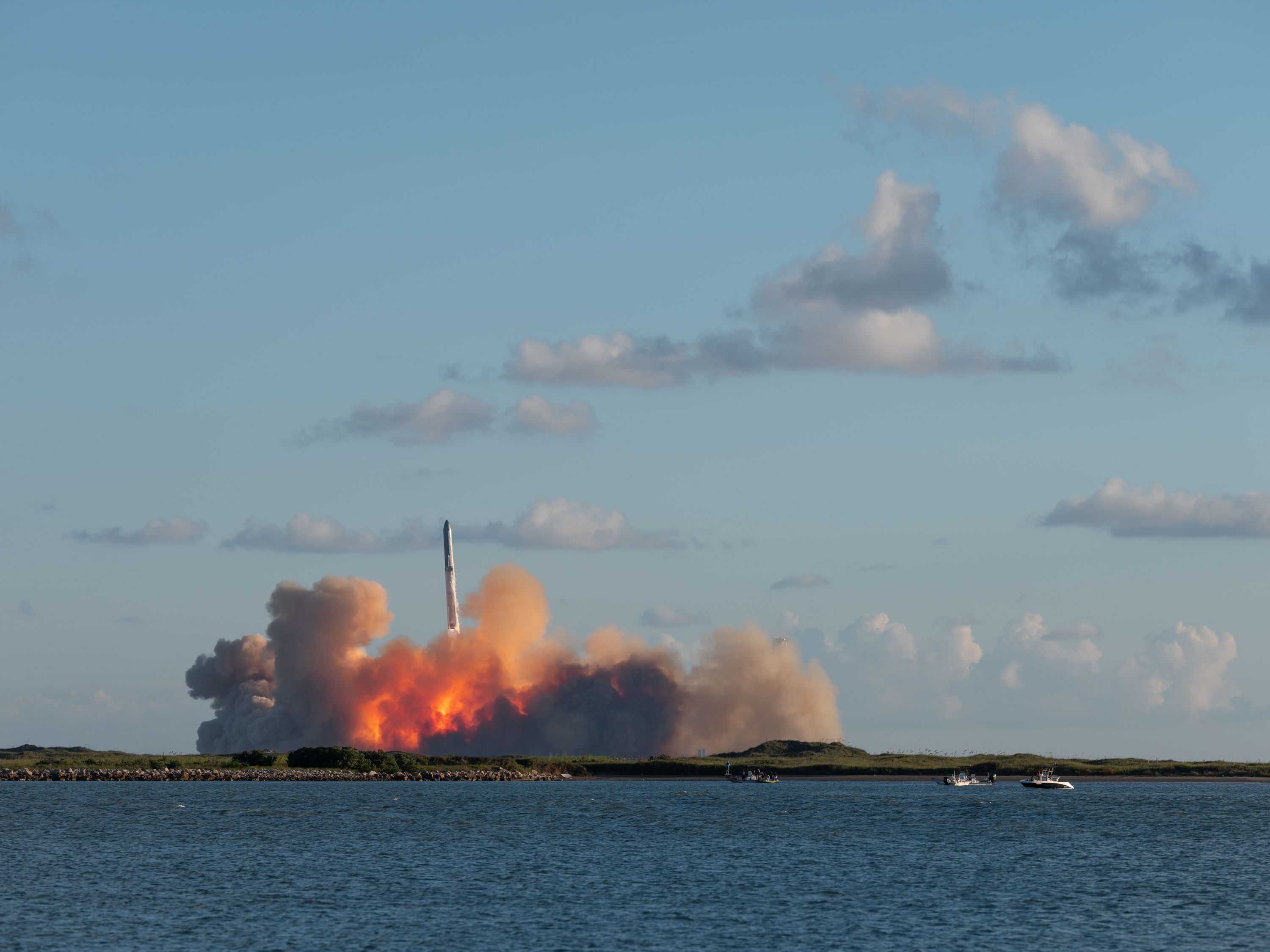
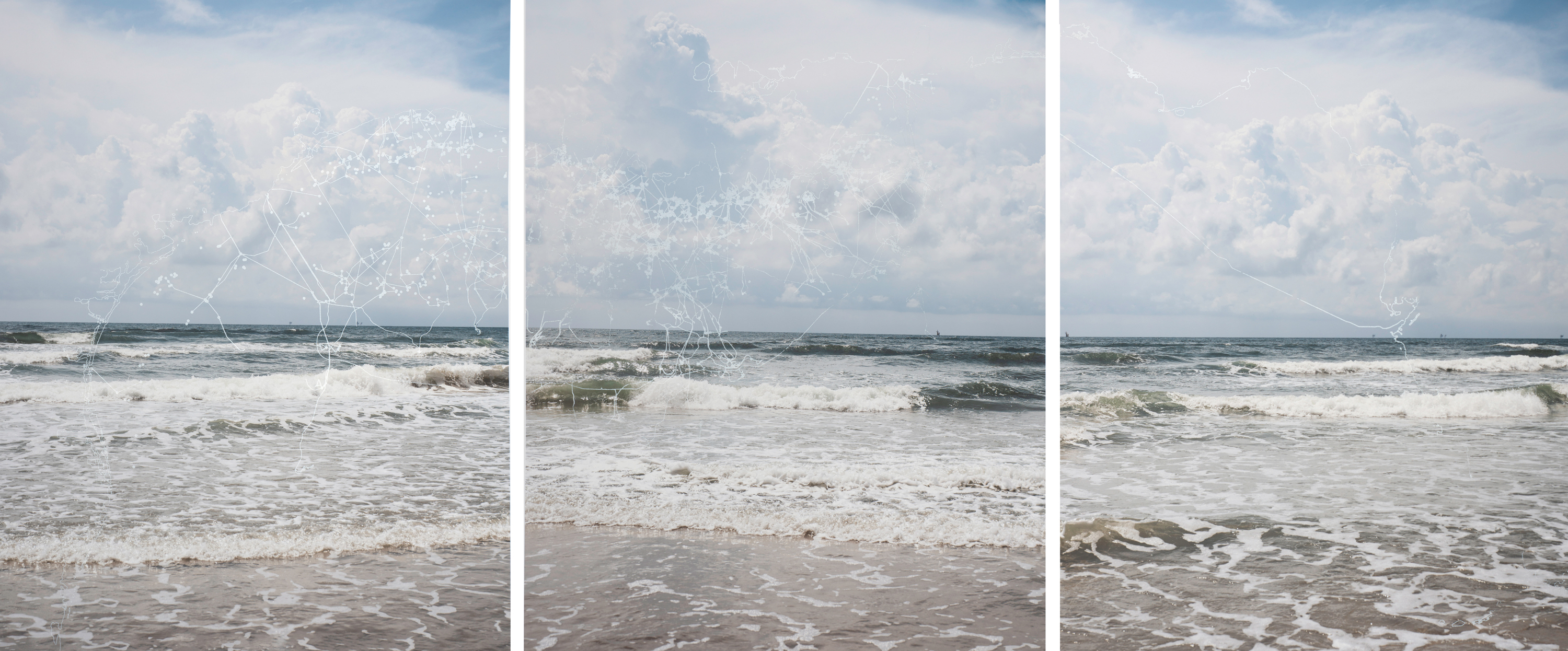
These photographs in this spotlight are from Amanda's long term project Oil and Water, an ongoing body of work focused on the Texas Gulf Coast. Since first encountering the region when she moved to Texas to teach at Stephen F. Austin University, she has been captivated by its inherent contradictions: it is both a fragile, life-sustaining ecosystem and a landscape deeply shaped by oil and gas production—industries essential to the global petrochemical economy.
In December 2025, Amanda spoke to Chris Ireland, Executive Director of Texas Photographic Society, about this project:
How did early experiences, such as growing up on a family farm in Montana, shape your relationship to land and influence your artistic focus today?
I grew up on the prairie side of Montana, so one simple influence is that I love open landscapes and big skies. Because I grew up in such a wide open, sparsely populated place, I am comfortable exploring places that are relatively isolated, and I revel in the drama of weather, wind, and clouds. My family's history on the family farm also gave me an appreciation for how people shape and are shaped by landscapes. I enjoy researching and reading about the places that I photograph to learn more about the history of its use and development by people.
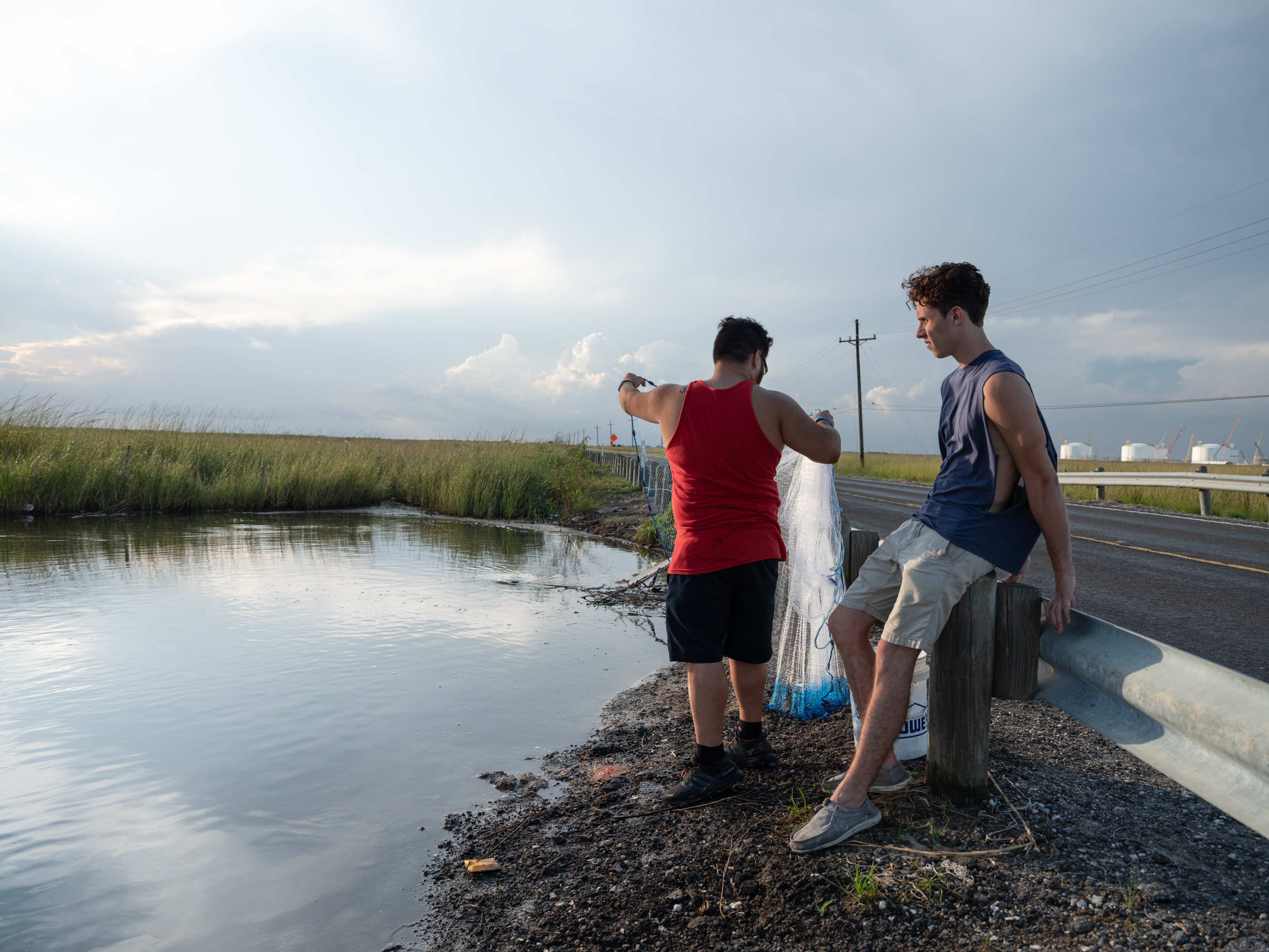
Your work highlights the tension between an important ecosystem and a vital industrial economy. How do you navigate that complexity through your images?
That tension is actually what drew me to photograph the Texas coast. I was startled by the proximity of large-scale oil and gas infrastructure to wildlife refuges and parks and simultaneously drawn to the beauty and variety of coastal landscapes. Over the past six years, I have learned a lot about the Texas coast, and the project has grown in scope to try to encompass that complexity. In addition to reading and research, I've spent time talking with scientists who study birds, freshwater ecosystems and industrial pollution, as well as oyster farmers, fishermen, and other coastal residents. In some cases, I am layering maps or other data on top of photographs to talk about ideas that are hard to capture in a single image - like sea level rise or the history of hurricane impacts.
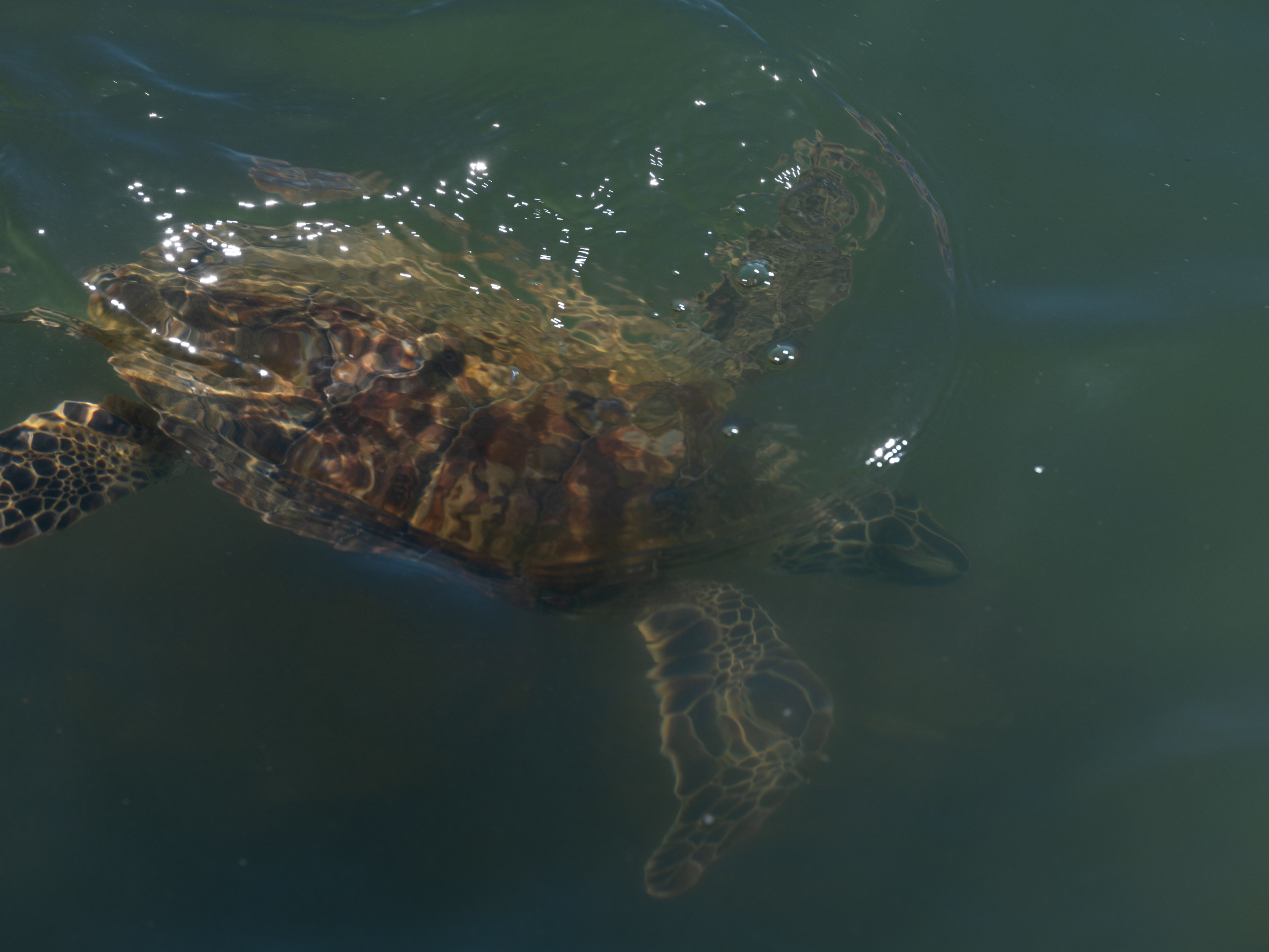
Can you walk us through your approach to this series — from research to scouting to what places have you photographed and what you choose to capture?
When I first started this project, I was primarily photographing the upper coast, the wildlife refuges and beaches that were closest to my home base in east Texas and relatively easy to explore with my family. As time went on, the project grew pretty organically. I traveled further and did more solo trips, photographing refineries and petrochemical plants, as well as beach communities. When I started writing about the project, I formed the idea of photographing the entire coast and started researching to plan trips in a more organized way to think about what essential elements I could capture in different locations. Speaking to scientists and coastal advocates also influenced what I photographed and how I wanted to represent it.
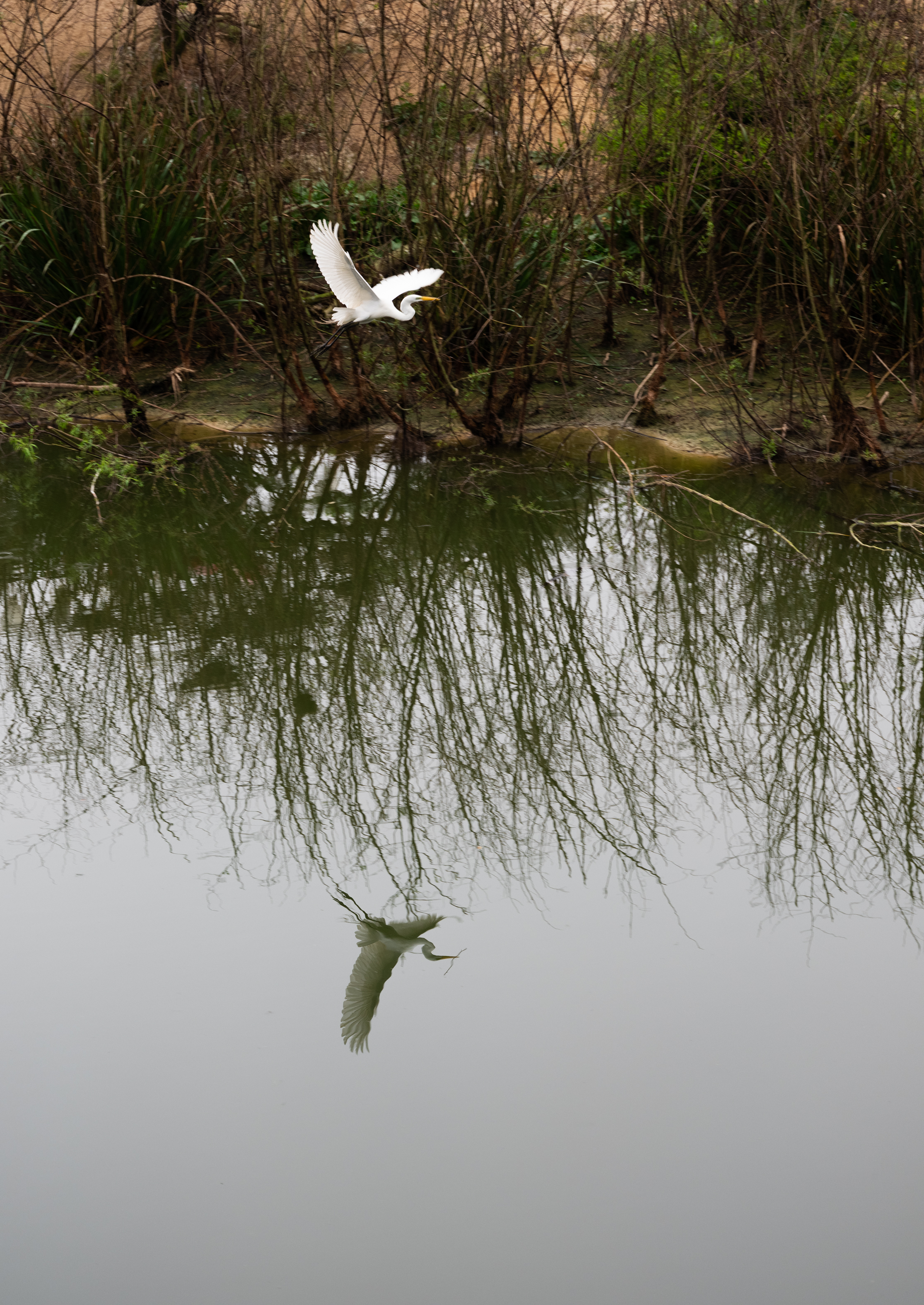
How has the project developed or changed over the years you have worked on it? Has your practice led to any unexpected insight on the top of the oil industry and its impact on Gulf Coast communities?
My idea of what should be part of the project has expanded. At first, my attention was mostly on visible oil and gas infrastructure, contrasted with beautiful coastal landscapes and wildlife. One scientist, in particular, encouraged me to look more at the encroachment of roads, homes, and businesses taking over what used to be wild places and made the point that wildlife often coexist relatively well with drilling lands and offshore rigs. When I thought more deeply about roads, home and business development, they were all directly linked to fossil fuel consumption. We drive more, live further from our workplaces, and consume more goods in part because of the cheap availability of oil and gas. Plastics made from petroleum are a major driver of consumer waste, so plastic pollution is also driven by the petroleum industry. The more I think about it, the bigger the umbrella of Oil and Water becomes. I'm currently working on a book of the project and hoping to find a publisher to make it more widely available.
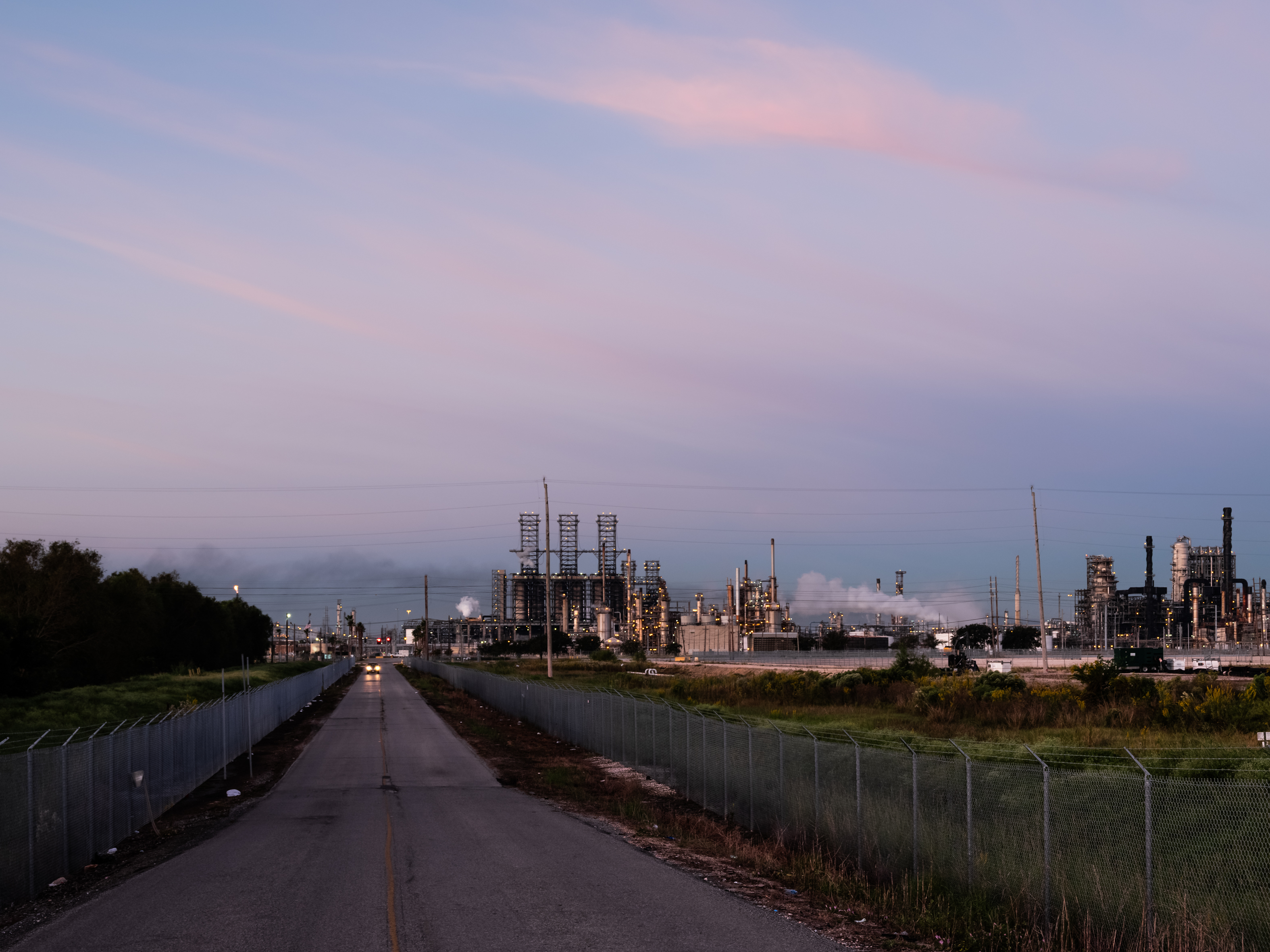
Photographing areas affected by pollution, industry, or economic hardship can be sensitive. What practical and ethical challenges do you grapple with in this project?
There are people who think of the Texas coast as a sort of sacrifice zone, polluted beyond saving. My photographs show the beauty and vitality of the coast, alongside the impacts of industry. There are reasons to be hopeful about the future of development, and I hope that my images communicate hope as well as potential threats. Another challenge is avoiding the role of a critical outsider who doesn't recognize the complex choices faced by people who live in industrial zones. The same people most affected by pollution from refineries and petrochemical plants often depend on those plants for their livelihood. An outsider might think that people should just move away from a place that has been polluted by industry, but residents have a shared history tied to that place and many want to rebuild and improve their communities. For example, I photographed the Hillcrest neighborhood in Corpus Christi, where the port authority offered a buy-out to residents who wanted to relocate. You can see in the photograph that some residents chose to stay. Rather than judging, my goal is to demonstrate how complex these places really are and to make viewers think about their own connections to nature and industry.
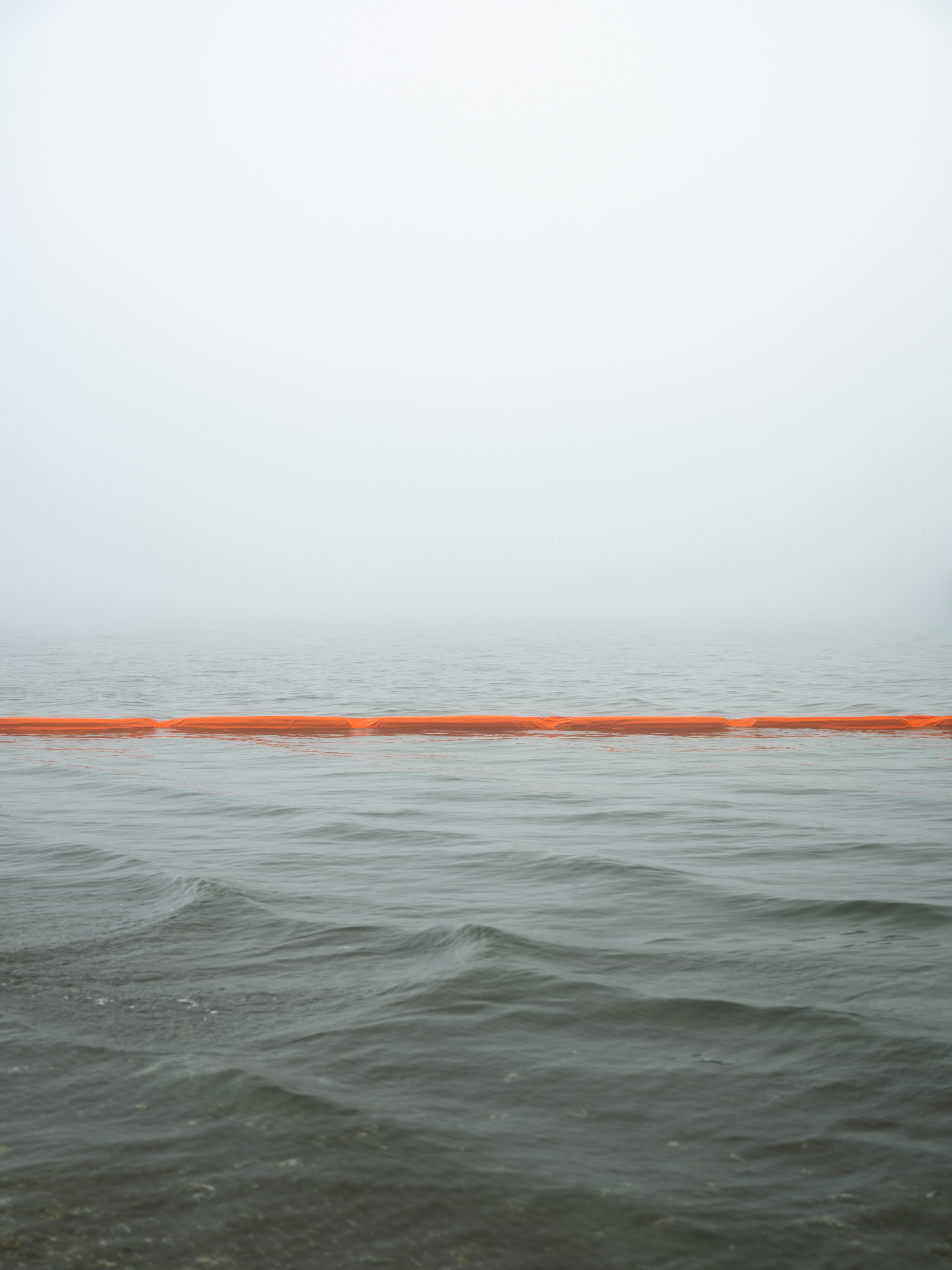
Texas Photographic Society supports photographers at all stages of their careers. Looking back, what kinds of support or community were most important in your development as an artist — and what advice would you share with fellow TPS photographers, especially those just starting out?
I think the most important thing is simply recognizing how important community is. There's a popular image of the brilliant artist working alone in their studio, not needing outside input or inspiration. That ideal is far removed from reality. Community is essential to an artist, to feed their creativity and craft, as well as the practical need to make connections to show your work. I first began to build my art community as an undergraduate student at Montana State University by taking part in student critique groups, attending exhibit receptions, and meeting artists. As a graduate student at the University of Nebraska-Lincoln, my mentores coached me to become involved in the Society for Photographic Education, which expanded my art community enormously. I've remained involved in SPE ever since. I am new to TPS, and I am excited to expand my network even more through its programs and opportunities. Despite my introvert tendencies, I find those events fun and I would encourage artists of all levels to get involved in whatever art community is accessible to you.
You can see more of Oil and Water on Amanda's website, also follow Amanda on Instagram @amandabreitbach