Artists featured in the monthly Member Spotlight are selected from our online Members' Gallery. If you wish to be considered for the Spotlight in the future, send us a note!
Fran Forman
Member Spotlight - January 2021
- Where did you grow up, and where do you live now?
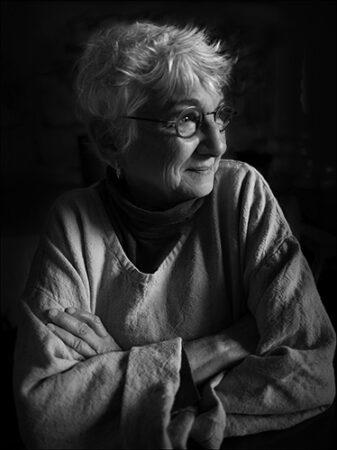
I grew up in Maryland, but I’ve lived in New England since I came here for college.
- Why did you become a photographer? / What do you like about photography?
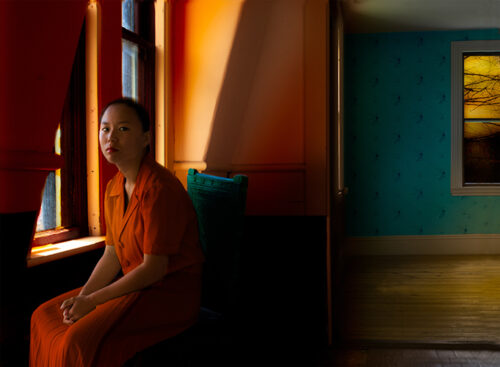
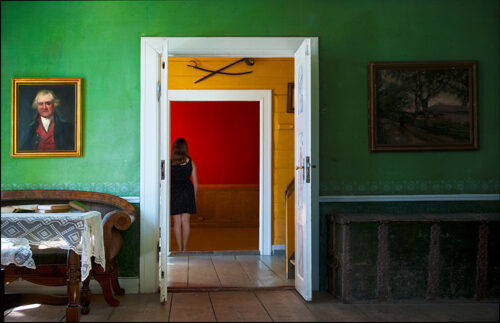
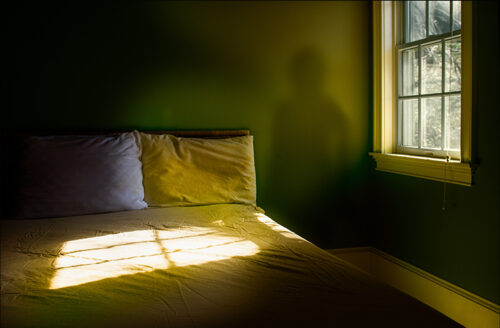
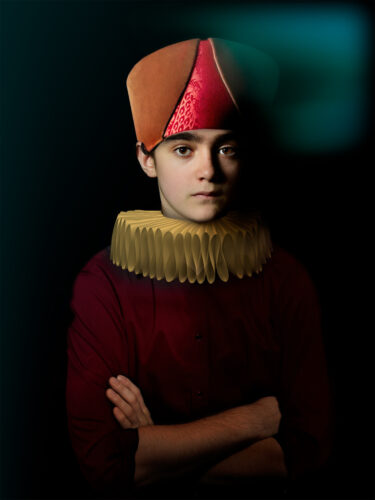
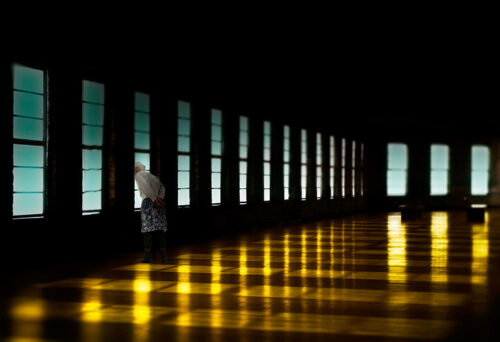
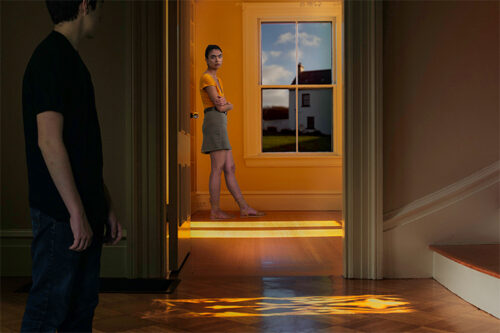
I really think of myself as a painter who paints with photographs. All of my images are manipulated, composited, created out of fragments and reassembled to create a fictional narrative.
When I was young, I had fantasies of being a painter or an illustrator (as well as a baseball player for the Orioles, an international diplomat, an animator and every other possible fantasy). When I came to the conclusion that I couldn’t paint like the great Renaissance masters, that girls weren’t allowed to play professional baseball (then), that I didn’t have the patience to be an animator and that I had to make a living, I went to graduate school to become a graphic designer.
I spent most of my graduate years in the darkroom, but had to put photography aside when I began work as a designer and while raising my kids. I loved being a designer, and so much of what I learned became a foundation for the work I do now, such as composition, economy, symmetry and an image’s ability to tell a story.
In 1992, I took a class at Harvard called ‘multimedia’, where I learned the rudiments of digital animation, sound and video editing, and image editing. Thus I was introduced to a very early version of Photoshop. Initially I made little videos of and for my family, but I soon began to use the tools in my design work, creating CD-ROMs, hyper-texted books and major websites. By the early 00s, printing technology caught up with the software, and I could print my images with archival inks and papers. Soon I began creating work for myself rather than clients.
- Where or from whom do you find inspiration or motivation for your work? / Do you have a mentor?
My work has evolved over the years, and I have become entranced by narratives that use explosive colors and sharp contrasts of light and shadow. I pay special homage to Caravaggio, Edward Hopper, Gregory Crewdson, Arthur Meyerson, the 17th century Northern European masters and of course, the great cinematographers.
- Please tell us about an upcoming photographic project that you are working on or a recent body of work.
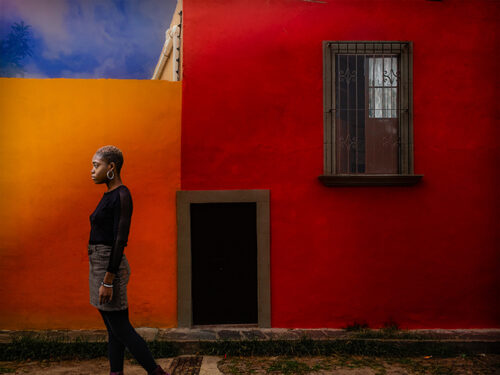
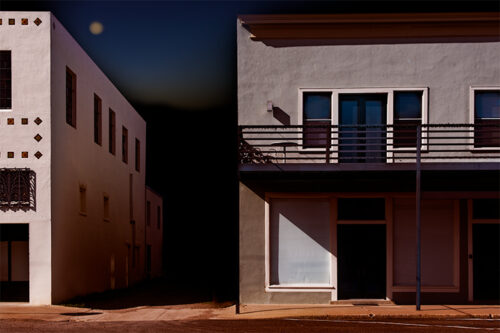
During the nine-month and continuing lockdown in 2020, I was unable to travel to shoot locations and models for my montages. Necessity being the mother of invention, I’ve managed to continue working using various techniques: cannibalizing images from my archives, shooting models from 6 feet away, purchasing stock and photographing very patient models using their own camera and tripod, while I art directed them over Zoom or FaceTime. I have been primarily focused on my series Noir Portals and Portraits in the Time of Corona.
My current exhibit is at the Pucker Gallery in Boston, MA. It is called Self-Illumination. I have worked with Susan Spiritus Gallery in Irvine, CA, Afterimage Gallery in Dallas, TX, and Photographic Gallery in San Miguel de Allende, Mexico. I hope to start traveling again next year to continue photographing and teaching.
- What work are you most proud of?
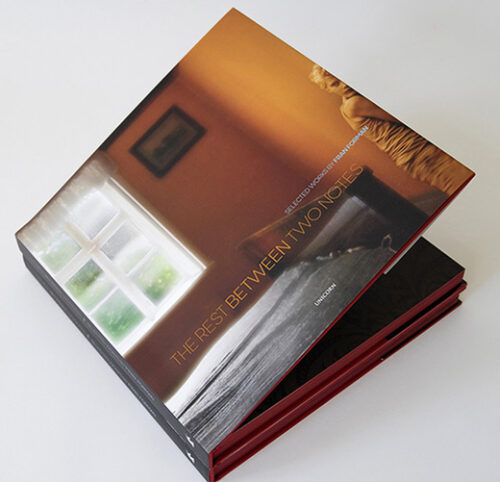
The Rest Between Two Notes: Selected Works is my second monograph and was published earlier in 2020. The timing couldn’t have been worse, in that the signings and presentations I had scheduled around the country were all cancelled due to the pandemic. The book is 224 pages with 110 color plates, and incredibly produced by Artron (printers of art books).
It consists of five ‘chapters’, each suggesting the liminal spaces between. It includes short writings by people in various disciplines who have selected an image to respond to; their writings include poems, haikus, short essays, short stories and a few words from a man exonerated after three decades in prison.
In the introduction, I explain that I see art as a conversation between the maker and the viewer, and thus this book is a sort of conversation. It is dedicated to "those who take the time to participate in the conversation that is Art." The book includes a foreward by Paula Tognarelli of the Griffin Museum of Photography in Winchester, MA, as well as additional essays and poems. Go here to purchase.
Do you have any words of wisdom for aspiring photographers/artists?
To answer this, I must refer to one of my earliest photographic heroes, Duane Michals, who said, "I think photographs should be provocative and not tell you what you already know. It takes no great powers or magic to reproduce somebody's face in a photograph. The magic is in seeing people in new ways.”